We use cookies to improve your online experience. By continuing browsing this website, we assume you agree our use of cookies.
Home > Blog > Your Comprehensive Guide to Selecting the Perfect Helmet
Your Comprehensive Guide to Selecting the Perfect Helmet
By startoneracing July 4th, 2024 0 reviews
Your Comprehensive Guide to Selecting the Perfect Helmet

Choosing the right helmet is crucial for ensuring safety and comfort, whether you're hitting the race track, embarking on a motorcycle adventure, or cycling through challenging terrains. This guide will walk you through the key factors to consider when selecting the perfect helmet to suit your needs.

Understanding Helmet Types

Key Features to Consider

Trying Before Buying

Maintenance and Care


Understanding Helmet Types


Helmets come in various styles and designs, each tailored to specific activities and preferences. Here are the primary types you might encounter:


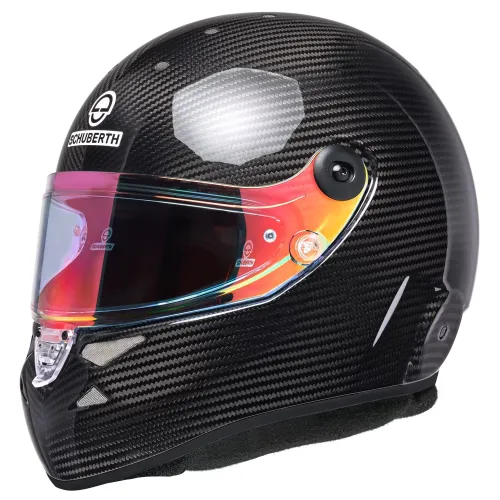
  1. Full-Face Helmets: Offering the most comprehensive protection, these helmets cover the entire head and face. They're ideal for high-speed activities such as motorcycling and motorsport racing.

2.Open-Face Helmets: These helmets provide good protection for the top, back, and sides of the head while leaving the face exposed. They are popular among scooter and cruiser riders.

  1. Modular Helmets: Combining features of both full-face and open-face helmets, modular helmets have a chin bar that can be flipped up. They offer versatility for riders who want the best of both worlds.
  2. Off-Road Helmets: Designed for motocross and dirt biking, these helmets have a pronounced visor and a more angular design to accommodate goggles and enhance ventilation.
  3. Half Helmets: Covering only the top of the head, half helmets are lightweight and provide a sense of freedom but offer the least protection. They are often chosen by cruiser and scooter riders.


Key Features to Consider


When selecting a helmet, several key features should influence your decision:


  1. Safety Standards: Ensure the helmet meets or exceeds safety standards such as DOT (Department of Transportation), ECE (Economic Commission for Europe), or Snell certification. These standards guarantee that the helmet can withstand significant impact and provide adequate protection.


  1. Fit and Comfort: A helmet should fit snugly without being too tight. Look for adjustable padding and strap systems that allow for a customized fit. Comfort is crucial, especially for long rides or races, so choose a helmet that feels good on your head.


  1. Ventilation: Proper ventilation is essential to keep you cool and prevent fogging of the visor. Look for helmets with multiple vents and channels that promote airflow.


4.Weight: A lighter helmet reduces fatigue and strain on your neck and shoulders. Advanced materials like carbon fiber and composite blends offer lightweight yet robust protection.


5.Visibility: Opt for a helmet with a wide field of vision. Anti-fog and anti-scratch visors enhance visibility and safety, particularly in adverse weather conditions.


6.Noise Reduction: Some helmets offer features to reduce wind noise, making for a quieter and more enjoyable ride. This is particularly beneficial for high-speed motorcycling.
 

Trying Before Buying


Whenever possible, try on helmets before making a purchase. Different brands and models have varying shapes and sizing, so what works for one person might not work for another. Spend some time wearing the helmet to ensure it remains comfortable over extended periods.


Maintenance and Care


To extend the life of your helmet, follow these maintenance tips:


  1. Regular Cleaning: Clean the exterior with mild soap and water. For the interior, removable padding can usually be washed according to the manufacturer's instructions.


2.Inspect for Damage: Regularly check for signs of wear and tear, such as cracks, dents, or frayed straps. Replace your helmet if it shows any signs of significant damage or after a major impact.


3.Proper Storage: Store your helmet in a cool, dry place away from direct sunlight and extreme temperatures. Use a helmet bag to protect it from dust and scratches.


Selecting the right helmet is an investment in your safety and comfort. By considering the type of helmet, key features, and ensuring a proper fit, you can find a helmet that not only meets your needs but also enhances your riding or racing experience. Remember, a good helmet can make all the difference in keeping you safe while you enjoy your favorite activities.

Video-Everything to Know about the OMP HTC EVO Carbon Racing Seats
Previous
Video-Everything to Know about the OMP HTC EVO Carbon Racing Seats
Read More
Video-How to Maintain and Care for Your Racewear – A Complete Guide
Next
Video-How to Maintain and Care for Your Racewear – A Complete Guide
Read More