Racing in high temperatures can push both you and your car to the limit. While your vehicle’s performance is critical, keeping yourself cool and hydrated is equally important for maintaining focus and safety on the track. In motorsport, dehydration and heat stress are serious risks that can impact your reaction time, endurance, and overall performance. This guide covers everything you need to know about managing driver cooling and hydration on race day.
Table of content:
Understanding the Importance of Hydration
Cooling Strategies for Drivers
Staying Cool During Pit Stops and Breaks
Hydration is key for maintaining physical and mental sharpness during long races or track sessions. When you're dehydrated, your body struggles to regulate temperature, and your cognitive abilities can suffer. This is dangerous, especially in a high-stakes environment like motorsport where quick decisions and sharp reactions are vital.Signs of dehydration to watch out for include thirst, dizziness, dry mouth, fatigue, muscle cramps, and decreased concentration. To avoid these symptoms, it’s essential to stay hydrated before, during, and after your race.
Start hydrating well before your event by drinking water the night before and on the morning of the track day to ensure your body is fully hydrated. Once at the track, sip water consistently rather than drinking large amounts all at once. Incorporate electrolyte-rich drinks in addition to water to replace essential salts and minerals lost through sweat, as electrolyte imbalances can lead to cramping and fatigue. Avoid sugary drinks and caffeine, as they can dehydrate you, and opt for water or sports drinks that support hydration. If you need caffeine, balance it with additional water intake. Monitor your fluid intake by drinking small amounts of water consistently, about 200-250ml (7-9oz) every 20-30 minutes during intense driving to ensure your body stays hydrated without overloading your system.
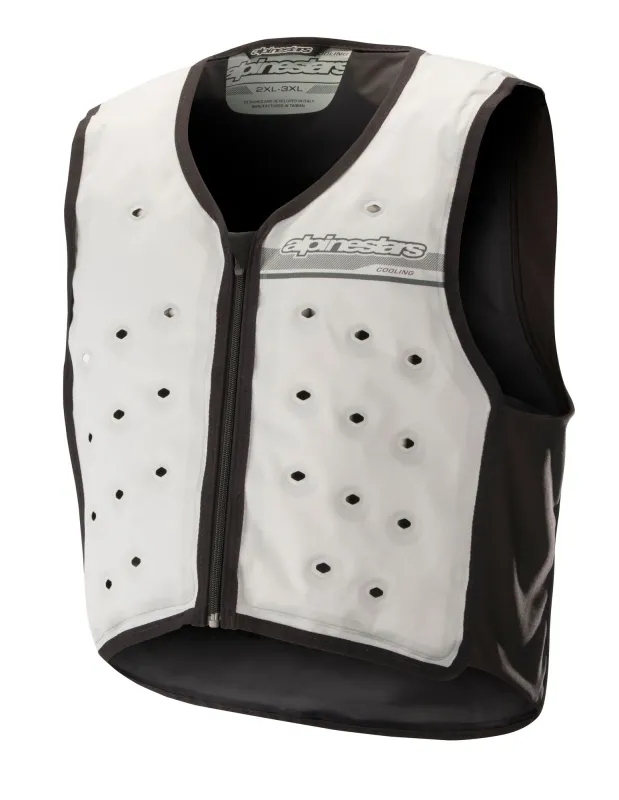
While hydration keeps your body functioning optimally, heat management is another critical factor in motorsport. Prolonged exposure to high temperatures in a race suit or a closed cockpit can lead to heat stress, reducing your performance and increasing your risk of overheating. Wearing breathable race gear is essential; many modern race suits are designed with lightweight, moisture-wicking materials that allow airflow while providing necessary fire protection, helping regulate body temperature by drawing sweat away from the skin and allowing faster evaporation. Utilizing cooling vests is another excellent strategy to keep your core temperature down during hot races; these vests contain gel packs or ice packs that lower your body’s heat without restricting movement and are easy to wear underneath your suit. In addition, using cooling towels and ice packs between sessions can be beneficial. Placing cooling towels around your neck or wrists helps quickly reduce body temperature, and applying ice packs to key areas like the lower back or legs prevents overheating during short breaks. Installing in-car cooling systems can also significantly reduce heat stress during extended races. Some race cars come equipped with driver cooling systems that blow cool air through the helmet or suit, but if your car doesn’t have one, consider adding a portable system to improve comfort and performance. Keeping your helmet cool is crucial, as heat tends to accumulate inside helmets, causing discomfort and potentially leading to heat exhaustion. Many racing helmets now have air vents, but adding a small fan or cooling device can help keep your head cool, while ventilated balaclavas made from moisture-wicking materials assist in reducing heat buildup.
Even brief moments of rest between races or laps are crucial for maintaining your performance throughout the day. Make the most of your pit stops and breaks by focusing on cooling and rehydrating. If possible, stay in shaded areas when not racing to avoid unnecessary exposure to direct sunlight, as keeping out of the sun will help your body cool down faster. Bring a portable fan or cooling device for your pit area; these can make a big difference during rest periods, helping you recover faster for your next stint. During breaks, prioritize drinking water or sports drinks to rehydrate, and consider consuming small, light snacks to replenish your energy levels without feeling heavy or sluggish.
In motorsport, staying cool and hydrated is not just about comfort—it’s about safety and performance. During a race, the body is subjected to intense heat and physical stress, which can lead to dehydration and overheating. This not only impacts your comfort but can seriously affect your focus and reflexes, increasing the risk of accidents. By following these cooling and hydration strategies, such as wearing breathable gear, taking frequent hydration breaks, and using cooling vests or towels, you’ll be better equipped to handle the demands of racing. This ensures you stay sharp, safe, and at your best throughout your track day. Remember, a well-prepared driver is just as crucial as a well-prepared car! Proper hydration and cooling are fundamental to maintaining peak performance and ensuring a successful racing experience.